আপুনি যদি ‘ইছমাইল হোছেইনৰ ‘৬ ডিচেম্বৰ’ কবিতাটো / গীতটো বিচাৰি আছে আৰু ইয়াৰ বিষয়ে বিশদভাবে জানিব বিচাৰিছে, তেন্তে এই নিবন্ধখন আপোনাৰ বাবে।
৬ ডিচেম্বৰ
–ইছমাইল হোছেইন
আজি আমাৰ মৃত্যু ঘোষণাৰ দিন
আহা আমি দিনটোৰ বাবে ক’লা পোছাক পৰিধান কৰো
আমাৰ মূৰৰ ওপৰত এ আকাশ অন্ধকাৰ
ভৰিৰ তলত এসাগৰ পানী।
যুগে যুগে আমি যাৰ মৃত্যু ঘোষণা কৰি আহিছো
সেয়েই আমাৰ কাণত বজায় মৃত্যুৰ শঙ্খধবনি।
আহা, আমি জুইৰ পোছাক পিন্ধো
খুলি থওঁ ছালৰ আৱৰণ।
আজি ঈশ্বৰ আল্লাৰ আত্মহত্যাৰ দিন
আহা, তেওঁলোকৰ শৱদেহত আমি ফুল ছটিয়াই দিওঁ
গেৰুৱা, শুকুলা আৰু শ্যামল ৰঙৰ ফুল। ০ ০ ০
৬ িচেম্বৰ (6th December): Critical Summary
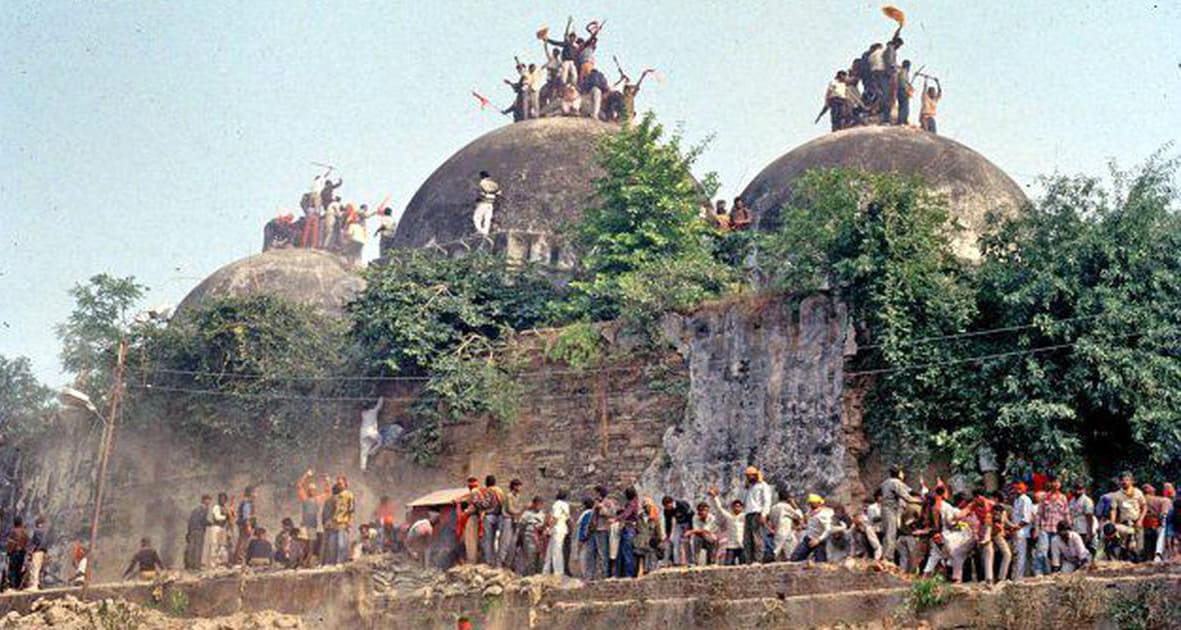
The Assamese poem ‘৬ ডিচেম্বৰ’ (6th December) written by Ismail Hossain is a powerful and sobering reflection on the communal violence and social degradation associated with the demolition of the Babri Masjid on December 6, 1992. The poem serves as a poignant critique of events symbolizing the death of humanity, morality and harmony, using vivid metaphors and evocative imagery to convey its message.
The poem begins with the announcement of mass death, symbolizing the loss of shared humanity on this fateful day. The poet calls for wearing black clothes as a symbol of mourning, signifying a deep grief that goes beyond individuals to encompass the entire society. The imagery of a black sky above and an endless ocean below depicts the immense despair and uncertainty brought upon the world by this event.
Through the lines, the poet highlights the irony of the situation: people who have historically celebrated the idea of peace and unity are now witness to their own destruction. The “knell of death” heard in the poem is a metaphor for the culmination of years of divisive ideologies, where the very foundations of faith and coexistence are shattered.
The references to “fire as dress” and the removal of “the covering of skin” in the poem depict a brutal display of raw hatred and violence. The poet portrays December 6 as a day of divine tragedy, where the essence of divinity – symbolized by “God” and “Allah” – is metaphorically destroyed. The mention of flowers strewn on their symbolic corpses – saffron, white and green – reflects the blending of religious and national symbols, now stained with the blood of communal conflict.
Finally, ‘৬ ডিচেম্বৰ’ (6th December) is a scathing and horrifying critique of the destruction wrought by religious and communal intolerance. The poem reminds readers of the terrible consequences of such hatred, urging readers to reflect on the loss of humanity and the need to rebuild harmony. It encapsulates the sorrow, irony and anger of a society mourning its moral and spiritual death. 0 0 0
নোট: যদি আপুনি ‘ইছমাইল হোছেইনৰ ‘৬ ডিচেম্বৰ’ কবিতাটো / গীতটো টো ভাল পাইছে / পছন্দ কৰে, অনুগ্ৰহ কৰি আপোনাৰ মতামত জনাব। আমি যিকোনো ধৰণৰ গঠনমূলক মতামতক আদৰণি জনাওঁ। 0 0 0
বিঃ দ্রঃ ইছমাইল হোছেইনৰ ‘৬ ডিচেম্বৰ | 6 December | ইছমাইল হোছেইন’ শিৰোনামৰ কবিতাটি ৰাব্বি মছৰুৰ সম্পাদিত ‘ইছমাইল হোছেইনৰ প্রতিনিধিত্বশীল কবিতা’ গ্রন্থৰ পৰা লোৱা হৈছে।
You May Like:
- আগুৱাই বল আগুৱাই বল-বিষ্ণু ৰাভা
- অ গুৰু মোৰ শংকৰ-বিষ্ণু ৰাভা
- এয়ে মোৰ শেষ গান-বিষ্ণু ৰাভা
- হে বিপ্লৱী বীৰ অধিনায়ক-বিষ্ণু ৰাভা
- মেঘৰ বুকু ফালি আনিম-বিষ্ণু ৰাভা
- বিশ্ববিজয়ী নজোৱান-বিষ্ণু ৰাভা
- বিশ্ব বিজয়ী নৱ জোৱান-জ্যোতিপ্ৰসাদ
- জাগা জাগা নক্ষত্রৰ প্রভাতে-জ্যোতিপ্রসাদ
অতিৰিক্ত অনুসন্ধান:
- ইছমাইল হোছেইন
- জ্যোতিপ্রসাদ আগৰৱালাৰ কবিতা
- অমূল্য বৰুৱাৰ কবিতা কুকুৰ